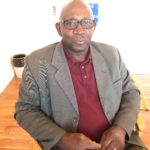
Interviewee: Larry Irby
Interviewer: Austina Wolverton
Date: October 26, 2017
Accession# EDLP 013
Length of Recording (min/sec): 01:07:06
Sound Recording
Summary
Larry Irby was born in Winnsboro, South Carolina. He and his nine brothers and sisters grew up on their parents’ farm. He attended schools both pre- and post- integration attending both Fairfield High School, and Winnsboro High. He went on to start his own accounting business, and has been an accountant in Winnsboro for thirty-five years.
This oral history interview with Larry Irby on October 26, 2017 includes discussion of growing up in Winnsboro, South Carolina, attending both segregated and integrated schools in Fairfield County, his personal experiences with students and teachers in both environments, race relations in the past and present day, raising his family, his career as an accountant, his children’s educations, the Fairfield County school board, and Fairfield County’s economics.
Transcript
Austina Wolverton: My name is Austina Wolverton. We are conducting this interview as a part of a project for the University of South Carolina. I’ve got the microphones here to make sure that they can here you, and the phone as backup. Can you please tell me your full name?
Larry Irby: Larry Irby.
AW: Okay. And where were you born, Mr. Irby?
LI: I was born here in Winnsboro, South Carolina.
AW: Okay. Can you tell me about, a little bit about growing up, what your early memories of childhood are, your parents, grandparents?
LI: I grew up in a family of nine kids, eight boys and one girl. You know, it was a two-family home. And we, I grew up on a small farm. Had the opportunity to pick cotton, pull corn, peanuts, sweet potatoes. We grew a garden, grew most of our food, raised pigs and we had a milk cow. You know, and be cutting wood for the fire. And those were some great days. And grew up in the church in the Old Testament; on Sunday you didn’t do anything, it was a day, it was a day of rest. You had to cut enough wood on Saturday to take you through Sunday, if you didn’t you’d get a whoopin’. Parents were very, very strict and being religious. And I grew up on Kincaid Bridge Road and it was a family, you know, my father’s brothers lived there, my grandmother, you know, we were one big happy family and just enjoyed, you know, playing together.
AW: So you mentioned that it was a two-family home, so it was your, your, you said your father’s brothers and then your family, is that, like your immediate family?
LI: That lived in the neighborhood. But what I meant by two parents, you know, my mother and father. We were a family.
AW: Alright, thank you. Where did you first go to school?
LI: Gordon Elementary. Right down the street from here.
AW: Okay. I’ve heard someone else in this group say that as well. Can you tell us about your memories there?
LI: Memories?…My 1st grade teacher was Ms. Thelma Gladney and we grew up, she was a wonderful teacher, she lived in the Middle Six portion of Winnsboro and it’s known today as South Winnsboro. And she was an excellent teacher, I still remember a whole lot of my classmates that we started out together in 1958, then we’re still friends. You know, even to this day nobody has fallen out, you know, and we still, when we run into each other we still speak and we still hug, you know, and let people, let them know that we’re glad to see them. And just growing up and I was in, growing up it was in a small class, Ms. Glenn’s class–and we had the little tables, little small tables and little small chairs, you know. And she had us separated, the smallest one were at one table then the B section, then the D and the C, and those she had to do extra work with were at a different table. But she worked with us and we did great. No one (unintelligible 3:55), I don’t remember, if I remember correctly we may have had 24 students in that class.
AW: When you finished going, when you finished at that school where did you go?
LI: Finished, oh and I came here to Fairfield High in 1965? Yeah. I had, I had, that was a time when we were doing what’s known as freedom of choice so that’s where the integration process first began. And I thought the 8th grade was at Mt. Zion, and I checked Mt. Zion and it was at Winnsboro High, so they didn’t allow me to come because I put the wrong school name, and that was the only year that I got an opportunity to come here at Fairfield, Fairfield High School and it was a great experience. Met some people that I may not have ordinarily met, you know, cause in the 8th grade students from Ridgeway, they were at Geiger Elementary, they, it would be their first year here and the people from Woodard, they, it would be their first year here, so you get an opportunity to meet a whole new slew of people that you never, you know, you never had met before.
AW: Oh wow. So what was it like at the, after Mt. Zion, is that where you went after that?
LI: Came here, Fairfield.
AW: Okay. You went here for?
LI: Eighth grade.
AW: Eighth grade? Where did you go after, after 8th grade?
LI: Eighth, I went to Winnsboro High.
AW: Winnsboro High, okay. And was Winnsboro High, you said this was right during integration so was it, was it an integrated school?
LI: No, it was an all-white school. And like I say we began to, that’s when the integration process began. And I think, and that’s where I brought a lot of my annuals, I think my graduation class maybe had about 12 black people, you know. It was just a, it was just a few of us. But I still met a lot of friends there, yeah. Let me see, I think it was, think it was 12 of us. And it was a great experience, met some, a lot of wonderful, wonderful people, you know, it . . . seeing pictures like Mississippi burning and the KKKs, it was, it was not like that, you know, even though we were aware that there was some that were there that did not, you know, felt that way. But you know, they were, they didn’t show it openly, you know, but we were aware, you know, and would be cautious but for the most part I got a lot of white friends. We still keep, you know, in contact, you know, to this day, you know. And I enjoyed that.
And the, it was pretty much going in that first year, it was kind of like a culture shock because I found out the books that we had here in the black schools per se were different, they gave them the best books. And we got the hand me downs and books that we call rebound. When they got [7:59] they would send them and they would rebound them up and they would send them into the black schools. But going to Winnsboro High that first year, you know, that transition was tough. And believe it or not we had some, had to deal with some teachers who did not have the blacks students [8:27] interest, and because this was freedom of choice, and said that the black kids would not be able to get the, and do the lessons that were in the white school. So we were there like the guinea pigs, it was the guinea pig program.
So I don’t know whether they were using the thought that, hey listen if it don’t work then probably integration would fail, that’s what some were hoping for. But after that, the first year was tough but after that we began to, you know, get it and there were, you know, black students who, you know, began to make the honor roll. See, when we were in the black schools most of the kids who left and went to Winnsboro High were honor roll students, and so when you went to Winnsboro High is the only time you (unintelligible 9:24) end up Ds, you know. But my father, you know, because I didn’t make the good grades that I did when I was here at Fairfield, he didn’t, he say, oh no, no excuse, you can do it. You know, and I believe I got a whoopin’ one time, you know, because of that. But I eventually got it and then, but it wasn’t until my senior year that I made the honor roll, you know. Then coming back into Fairfield, you know, and seeing some of my old teachers say, “Larry, we’re proud of you.” You know, it allowed me to know that they were still watching, you know, and keeping up with me, you know, as I went. And not only me but all the other students, you know, too, you know, they were, hey listen, we want them to do well. You know, and that was part of the support team, you know. And got an opportunity to play football, you know, and with the team and we won the state championship so that was a, you know, that was a crown so you, you know, on the football team that was the bomb. So you know, we had to play together and we played together and we were a team. You know.
AW: Did you find that that was difficult at first or was it, was it similar to your experience with the first year being difficult and . . .
LI: Well wasn’t difficult with the team. Yeah, there was never, it’s just like going to war, you know, the blacks, all these whites are going to war, you the team. You in the military together and it’s, you– to play, you know–we were, first off the team was a winning team, so in order, so we were there to make the team better. You know, you, none ever did anything to make someone else look bad. That wasn’t even an option. You know, coach told you, you know, you would’ve got kicked out so no one thought like that.
AW: What were the overall relations between blacks and whites in Fairfield County? I know you said that it seems that everyone got along for the most part in the school system. Was it the same around the County?
LI: The overall, you had, there was some rejection and I believe everybody had a little bit of prejudice. There were some in the black school that thought that because you went to the white school you thought you may have been better. You know. Then on the other hand you had some in the white school that thought, hey listen, this is a white school, why are you here, you shouldn’t be here, you need to go back. And some of them, you know, expressed that but they wasn’t privileged, you know, so they couldn’t run you, couldn’t run you out. You know, I remember even had, you know, in the black schools if you had difficulties with a subject, something you, you know, you was having a problem with, they would help you. Whereas in Winnsboro with the whites, they wasn’t going to do anything extra, if you didn’t get it, you didn’t get it. It was kind of, you know, they didn’t . . . so you had to get it on your own. And you know, so I found myself a lot of the smart white kids and stuck close to them. You know, and they were willing to, they were willing to help me, you know, the nurse, you know, I didn’t mind asking. The Bible say you have not because you ask not. You know, I wouldn’t presume whether they’re, whether they were prejudiced or anything, hey listen you need, if I need something I went to them and say, “Hey, what . . .” you know, and one thing I, was different is that the tests, if one teacher did a test she did it for the whole, all the other classes, too so some of the kids would say, “Hey, what was on the test?” You know, that would be a way that we would have, you know, have each other. And then on the weekend at Winnsboro High they didn’t give any homework; whereas in the black school you had weekend homework. Big difference, you know? So I, I enjoyed that part of it.
But for the overall relationship, it was, there was never any riots, you know. And pretty much everyone, there was some fights, you know, but they were minimum. You know, people get in and, you know, get up off when somebody say something, and so the black kids were not, they didn’t turn, you know, away. It was just a fist fight between those two individuals, nobody came and jump in. You got up and if you got your behind beat you got beat. You know. I remember one time one guy, you know, he hit me up side my head and I went to the, told the principal, did nothing about it. Did nothing about it so you didn’t, you know, but I understand. So he was, and I did not tell any of my schoolmates what had happened because, you know, I realize now that if I had’ve, you know, told them, hey there’s this white boy hitting me, they probably would’ve ganged me up and said, hey who he was, let’s go get him. You know, but I was, I was embarrassed because I didn’t stand up and, and, you know, let’s duke it out, you know, and didn’t want to be perceived as a coward. You know, so my pride was there as well. But you know, I met this gentleman, you know, years later and, and we were fine. In fact he worked for this furniture company and he had to come out to the house and deliver furniture one Saturday morning and I told my parents, I say, “That’s the young man that hit me.” And they was saying, “Why did you say nothing? We could’ve gotten him, he was here by himself.” You know. But God had another plan for that, you know, and his family, I know, you know, and they’re business owners, you know. So you forget about those things. You know, forget about these things and family have been able to help me in, you know, as a businessman now have been able to help me do some things, you know, business-wise, so everything, you can’t, Bible say you got to choose your battles well, you know, just because someone do you wrong, you can’t always retaliate and say and eye for an eye, you know.
AW: That’s really interesting to hear your experiences versus, you know, what we hear about, or what we learn about more frequently, so. But that brings me to another question, what were your ambitions when you were a Fairfield High? For your future.
LI: At Fairfield? I had not developed an ambition at that point when I was here at Fairfield. You know, it was just trying to, I was just into my lessons. You know, I was just beginning to grow up, just come out of elementary school so I had not even thought about what I wanted to even be in life at that point.
AW: Did you have any hopes for staying in Fairfield County after school?
LI: After school, yes. Yes, I had hopes and that’s because I was inspired by my father who worked for the Manhattan Shirt Company. You know, when I went to high school my ambition was to go to Clemson and to eventually become an attorney. You know. That’s what I wanted to be, an attorney, FBI agent. I was in the law enforcement and I worked in law enforcement, but that’s what I wanted to be, my heart was there. You know, wanted to be able to be an investigator and go out and solve, solve the tough, some of the tough crimes. You know, and that was, you know, and he will still now watch a whole lot of (laughter) detective stories, you know, I watch a lot of true stories, you know, unsolved mysteries, that station ID, that type of stuff, forensic files, you know. And years ago we used to, the FBI used to come out, I used to love that. You trying to figure out, you know, who committed the crime.
AW: So what did you do after school? What was an overview?
LI: After school, I graduated in 1970, and after school my first job was Manhattan Shirt Company. In fact I worked there during school and during the same time I was playing football after school. And I need to back up. I wanted to go to college, my parents wanted me to go to college, but we looked at, they looked at, hey listen, we do not have the funds to send him to college. I knew nothing about the FASFA, you know, student loans and I don’t know why I didn’t. If, you know, my oldest brother, he went to a business college and then to the military, and a lot, people now use such strategy, hey you can go to the military and then go on the GI Bill, no one said anything so I was not guided in that direction, you know, it’s so many missed opportunities. Whereas now I make sure all my kids get the opportunities, you know, the bests of opportunities and I spent a lot in, you know, in education. You know. And I just looked, guidance counselor, Ms. Fawcett (sp.), you know, and I remember they brought the seniors in and they asked, ‘hey listen, what do you want to be’? You know, ‘I want to go to Clemson’. ‘Oh, you’ll never going to be able to do that’. Never said anything.
Then we used to have career day and we had someone from the FBI come in, oh boy. Even though I worked at Manhattan my first application was to the FBI, I went down on Hampton Street to the office. And, but you know, I never really, you know never pursued it. Never really pursued it, you know, from that process. You know, because the FBI agent, when he came and spoke to us on career day told us about the different things and fingerprints and investigating that you could do, you know. But my father had been in the Army but he never talked about the, the military, you know. If I had to live life over again would’ve did a whole lot of different things.
But, so going to school I was, you know, my, my academics, that was, you know, I was focused. I focused on getting my lesson and graduating, you know, so I had the girls on the backburner. So graduating in May of 1970, I ended up getting married April 10th, 1971, with no life experience. And so it was, it was like a learn as you go. Original plan was to get married at 25, have two boys and two girls. But life its way of [laughter] changes, don’t always go as planned, you know. But those things, you know, those things happen and when it happens you can’t go back and change nothing that happened yesterday. You know, but I’ve had, but the great thing for me with the skills that I had and I have a fast learning ability, God always blessed me to have a pretty good income. You know, so that helped, you know, being able, you know, my family, being able to do some things a lot of families were not able to do. You know, and I was able to give them pretty much the best of everything.
And wow, I took the shorthand, you know how you want your kids, I don’t know whether you have any children but I wanted, I wanted that for them and I worked, you know, and my baby now is 22 years old, she just finished Erskine on May 30th. So I’ve got one daughter who went to law school at, went to Clemson then to law school at Vanderbilt, so she’s with Wells Fargo. So my baby she wants to go to law school, so she done took the LSAT one time, so that’s the last one. So I’ve got, like four girls and one, one son. You know, my oldest girl she’s, daughter, she went to North Carolina ENT and she came out and so she had her own, became a hair stylist so she had her own beauty shop and has two kids. Second daughter, she went to Benedict. She’s an accountant, works with Blue Cross/Blue Shield, have two daughters, oldest daughter went to Georgia Tech on the Bill Gates Scholarship because she graduated salutatorian and her baby went to Clemson, was a major in accounting, dropped out and went in the Navy so she’s an officer in the Navy. So she got one.
Then my, my third daughter, that’s the attorney. My son, he’s fourth, he didn’t want to go to college, you know, he wanted to be a barber, you know, so when I told him, you need to go to college, get some, get some, you know, to further your education. “Daddy, college is not for me. I want to cut hair.” So he has two barber shops, one in Columbia and one in Winnsboro, he does well. You know, so I didn’t, you know, when the kids tell me, this is what I want to do, unless it’s something that’s out, you know, something that’s not illegal, you know, I say, okay. That’s my baby, I can think of a lot of things where she can make a lot of money now, you know, being an accountant and being there for 35 years I can say, hey listen, you can do well in this, you know, and she’s working the school system with, in human resources. So Lord, you can be a human resource manager and make $20,000 a year, you know. And she has some great, great skills, but she wants to be an attorney so I don’t, I say okay. She said, “Dad, that’s what I always . . .” you know, so she majored in political science so she say, “Listen, I want to be in politics.” That’s something she chose. So I don’t want to dare steal anyone’s dream.
And going back to me, you know, and the big dreams and I, and that’s what now with the facilitators, career facilitators I think they’re a great thing and they start with the kids early. You know, talking about, ‘hey listen, whatchu wanna be’, then you, you know, you gonna look at if they’re good in algebra they can say, hey listen, you can be an engineer, you can be an accountant. I was a math whiz, nobody say, listen with those skills you get you can be an accountant, even though that’s what I ended up being, but nobody told me early. And I went to school with Tim McConnell who was the first black accountant in South Carolina. And he was the president of the, one time the black bank in, in South Carolina was in Columbia, was Victory Savings Bank right there on Taylor, Taylor and Sumter Street. And now it’s South Carolina Community Bank. But he was that, you know, he was smart, he was a straight A student. You know, he, he worked with Jessica Simpkins and, oh Lord, a lot of the other black pioneers in the South, you know, he grew up, came up through the ranks. Then he was a commissioner for the Tax Commission under Carroll Campbell. Yeah, so he had, he had big accounts. Now he died a young man. You know, he was a republican, early republican, you know, but he was, you know, how some you can . . . he was so smart but you got to have some compassion for people. He was so smart but no compassion to nobody, not even his family. And then he died young. You know, but getting, you know, into me guidance, guidance and direction, plays, and the parent play a great part in, in showing the children, you know, in the right direction. You know, sometime we still in the right direction jump off to be sometimes in the wrong. I had my (laughter) I had my part in that, too.
You know, the Bible say train up a child in the way it should go and when it grow old it will not depart from it. Then because of that, you know, my passion and then, you know, then as a pastor, you know, I remember when I was 12 years old and gave my life to the Lord and the preacher told me, you know, that hey, you look like a preacher. So that was then, that was my call in life, that’s what God had for me. You know, so I used that to inspire people mostly, I have to do something, I, in life I do that more than anything. You know, I know how to go out and relate to people and Lord I, and deal with other folk’s problems so I have to forget about mine so sometime I have to stop and talk to my own kids and they say sometime that the preacher’s kids are the most neglected, you know, people looking or hear T.D. Jakes talking about times, you know, while he was out ministering, you know, the enemy came into his, into his house and I think his daughter may have been 15, 16, and she got pregnant. You know, so you can’t, you know, like the Bible say, watch as well as pray while you are taking care of the other things, you know, so the focus.
And so even though people look at me and say, hey you’ve been successful being in business and you were able to achieve a lot, I just, I just think there’s still something still missing; that I missed out on something in life. Cause you know, even working with the politicians, you know, I would go to all the meetings, my baby does that now, you know, and you know, probably, you know, should’ve been an elected official. You know, when you are liked and loved by the black and white community and respected by both, you know, you want to then you say, yeah and my wife say, no. Cause it takes a lot of time. Like my brother Henry, you know, he been on the school board a long time, take a lot of , lot of time and when you take that, all that time somebody, something get neglected. And most of the time it’s family. So I say, ‘listen I’m gonna, you know, during tax time from January to April 15th, I’m making that money’ (laughter), you know. And my wife, you know, well I’ve been in two marriages, you know, my first wife some would say, you know, you’re going to, you there making all that money, you gone have the money, you’re not going to have anything else, you’re not going to have a family. You know. So I told this wife, we got married I say, listen if I’m working too much, you know, just let me know and I’ll try to stop. Didn’t always do it, I tried to. You know, my wife’s a shopaholic, she want me to go in the store with her, and I try to stay away, you know.
AW: So you said that you’re an accountant. Do you still work in accounting?
LI: Still.
AW: How long have you been doing that?
LI: Thirty-five years.
AW: Thirty-five years, that’s a lot. I thought about being an accountant.
LI: Yeah. Like I say my daughter Sharon, she went to Benedict so she’s with Blue Cross/Blue Shield so she, you know, all of my kids work in the office but she’s the one that took it up. So she enjoys it, so you know, I think some lawyers–it’s just good money in it but she don’t—got to have the drive though, till…you got to be able to put up with people ‘cause people can get on your nerves! (laughter) And, you know, and I know how to deal with people, I know how to talk to people…And they say, ‘the public is always right’, so you got to treat them with care, (unintelligible 33:29). So God has blessed me to be able to do income taxes for people all over the United States and they look online. Then we’ve got the preparer tax identification and it’s in the, it’s on the web so people, if they move here or something they can put in the zip code and it’ll have my name there. You know, and as a minority business, you know, trying, they gone look in the book, hey I need somebody, you know, and you’re there. So that exposure, you know, so the government, the government expose you so you can have, you have to stay clean, you have to get–you have to renew every, every year.
AW: I know you mentioned, you know, parents really shaping the children. In what ways did your parents influence you when you were younger?
LI: My parents were those that said, work and do your best and, you know, get your lesson. They did not channel me toward a career. I remember when I was in maybe the 10th grade I wanted to go to the vocational school and take up auto mechanic. And my mom told me how she didn’t want me to get my hands dirty. Didn’t know what she meant then. But she was saying I want you to push a pencil, and certainly that’s what I did, you know, and I learned that, you know. I said, Lord that was a smart woman. Cause I would’ve been getting your hands greasy and oil and stuff up under your fingernails. You know. And so most of my life that’s what I have, I’ve done, I pushed a pencil. Now we got the, you got the computers and laptops and everything, I work with them, I work with those now, but I during tax time used to write until my, my finger would actually be sore. You know.
But far as, you know, my, my oldest brother, proud of him going into military for 26 years, he went to Charlotte Business College and was a key punch operator. So I thought about following his footstep, and my father told me, listen, your brother, he went to the business school and he don’t make as much money as I did. But he worked at, like I said at Manhattan, and he did production work and on production work my father was able to do real good. Then it was, we did military orders and during the Vietnam War we worked, we did a whole lot of work and, like I say I worked out of school, I made more money than the teachers, you know. And if I made $215 I put up $200 in the bank and I’ll keep $15, you know what I mean? Taught me to save. You know, so I, you know, I had, you know, had a good start, you know. But he, that was his way of thinking, hey listen I, he never dreamed that one day Manhattan Shirt Company would close its doors, you know, business would get bad and they would lay off people. You know, they didn’t think about that, just like some industries now who are closing their doors just like we, at one time had Mack Truck, they were here for a while and gone, and people who were accustomed to making $20 something an hour and you get up and you don’t make anything then you may have to go and work for $12, but you had built your lifestyle on that $25 and it becomes difficult.
AW: My grandmother made ink cartridges, she owned a business that contributed to Mack Truck, so I’m familiar with them.
LI: Yeah. So when you do that and it’s, it’s, you got to start–you got to start all over again and you got, you know, and that’s, you know, a lot of people you end up didn’t have any choice but to go bankrupt. You know, then they learned a lesson then they…back then, filing bankruptcy, it would pretty much ruin your credit. Of course now you can go file bankruptcy, turn right around go buy what you want. Big difference now. All you had to do is prove that you will pay your bill. Because see, industry used to—those loan companies– they’re trying to make your money and once you, when you file bankruptcy you got to pay a higher interest rate. You know, so.
AW: Speaking about Fairfield County do you think that things have changed here significantly, or that they have largely stayed the same?
LI: Things have changed significantly. When I grew up we had department stores on Main Street, we had a Five and Ten, you know, you had the place you could buy your hot dogs and the ice cream cones, and on Main Street all of the department stores are gone. They went out on the bypass, we did a shopping center, Walmart came in and ran everybody else out, and then when they left the only place you can buy any clothing here in Fairfield County, now you might have a Korean store on Main Street, is Rose’s you can buy something. They’ve killed the rest. And it’s sad but I–I had saw on 60 Minutes some years ago how, what happens when Walmart leaves a town, and it hurts. And it’s hurting Fairfield County, people have to go all the way to Blythewood. And we had Senator Crayton Coleman, he may have been like 12, 14 years, but when Walmart left they, they put him on skates, good friend of mine, and he and I when I was seeing all the topics of what people was saying, I said, hey listen, you the reason Walmart left. But I know it wasn’t so, because I had seen, you know, 60 Minutes how Walmart does, but he got the blame. He got the blame and it’s, you know, and now probably heard in the news with, what happened with VC Summer.
Years ago I used to work security. And I was doing, there during the construction phase and the gentleman that, Mike Fanning that replaced Creighton Coleman–he is working so hard, going and going across party lines, working with Governor McMaster, and we had our inner government meeting and he come by and he, you know, giving information updating the community and he’s going to burn himself out if he, he’ll be in too many places, I say, “Mike, you need to slow down.” So my daughter, the one I told you about, she’s my baby who’s going to law school, they, they talk every day and she’s going to be out in the state house. But Mike is, you know, trying to do everything, you know, he can to get the project started. And SCE&G, SCANA, I know I worked with a lot of those people, I can’t believe the thing that they are trying to have done and trying to screw people, you know. And being a minister, you know, and they have done a lot of things for Fairfield County but when you hurt the people, you know . . . I have a, you know, I have a, you know, you become an enemy. And out there they got, now they’ve got parts, you might’ve seen on the news yesterday, things that are out there that they’re not protected, and they’ve been told, hey not to protect them, they want, they’ll get, $2 billion dollars, you know, if they can prove that, hey listen, it was not worthy to continue. You know, and Mike went out there two weeks before they closed down, they gave him a tour and they say, hey listen, how’s everything going, and he say, oh things going fine, we’re finished the plant, and two weeks later they’re announcing . . . and he says they, and the reason why they did that, they were reviewing them for the $3 million dollar a year bonuses. So if they had’ve said something negative then they wouldn’t go the bonus. Then, you know, two weeks later they announced . . . then the other thing, they had their stock so all these sell them at the top, they secretly sold their stock. Now when Martha Stewart did hers she went to prison. So I, you know, I was telling Mike how he probably need to call FTC and the Federal Trade Commission come down there, they need to do an investigation. Cause they frauded [sic] the people. And that’s crap. You know, and it’s not right. You know, makes me think about, you know, he didn’t even say, hey listen, like Don Trump was telling me, hey listen, you put the, you know, y’all make the law, and Mike say, “Hey the law that the legislature made makes what they did legal.” Well what about conscious, how you sleep at night, you know, when you have messed over people? You know, so as, not only that but, you know, as a community leader and a pastor, you know, I have compassion for other people.
The compilation has gone down and one time our school system was boom, gone down, but now because of Dr. Greene, who is talking about school system, we are winning some national awards, you know, so my kids went to, they’re going to Spain this year with, (unintelligible 45:21) went last year. So they’re, and they’re going, our course is going to Carnegie Hall in March to perform. So a lot of great things, you know, are going on now. But as I told the board when they were searching, now you got to have someone who going to have the heart of the people, you know, and dedicate, you know, dedicate themselves to doing, doing some great things, doing some things to grow the community. You know, then the people will follow. You know, so they’re looking at some things, you’re going to always have opposition, you know. But he’s working trying to give the people (unintelligible 46:19, sounds like ‘secure’) what’s necessary to make it.
Everybody’s not going to, you know, get a four year degree, they’re not going to be attorneys or whatever, but you know, we got Midlands Tech, we had a meeting with them yesterday, on the 24th, yeah. And there are things are, courses that are going to be free that they’re going to be able to help. And so if you got an educated workforce then industry is going to look at that, you know, because they’re going to–when they do their market research and say, ‘hey listen we got available people that can—build a plant: they can go to work’. But if you don’t have the available workforce then you’ll come say, ‘hey listen, we, you know, we can’t ship our orders out because, you know, we don’t have the people’. You know, on the other hand on the negative side you’re going to have the people who on drugs [sic], not going to be able to pass the drug test. Call your (unintelligible 47:11); they got one in Orangeburg that used to do the hair test, you know, and it would go back, I think six months and tell what, about the drugs. They discontinued it. You know why? Said they were losing too many people. Now, they put on the board, hey listen, we’re going to have, maybe 90 days out, we’re going to have a drug screening on this day. So that gives people an opportunity to get clean. You know. So industry’s going to do what’s better for industry. So.
Like I say a lot of things that I get involved in, you know, and it’s an effort to help the people because I care, you know, I’m 65, I’ll be 66 in, in February so I figure, hey listen, I have made it, I have less time to be here now, I don’t look to be here till I’m 150 years old, you know, so that would be naïve thinking. So now what I can do is channel my life into helping, you know, a lot of people will come by my office and say, listen I’ve got, you know, my son needs a job, you know, and I get an opportunity to help them, you know, and tap into resources, you know. Because everybody know me. I might not know everybody, but everybody know me, you know, so I try to do what I can to help. You know, there are some folks help me, you know. Didn’t accomplish it on my own so you got to give back.
AW: So you’ve stayed really involved with Fairfield County and schools here.
LI: You know, like I say I went to all the County Council, Town Council, I was involved with all the, you know, the leaders and like, you know, you take like Mike . . . the House of Representatives, Mary Gail, I went to school with her. Me and her, me and her brother graduated together and we lived in the same neighborhood. You know, then the whole, you know, knew the whole family, you know. And then with Creighton Coleman, played football with his brother, Crayton, so we, his sister was a cheerleader so we kind of, you know, we knew, you know, just like with Mike, you know, went to school boards and I’ll share, you know. They know me, they know if they need my help they don’t have to do nothing but pick up the phone and call me. And, I was just talking about Ms. Jean McCrory: I did some interim pastoring for her church and they just, they’ll just pick up the phone, ‘hey listen, can you come help us out’? (Unintelligible 50:23) and pastor them. They want to go vacation Sunday, ‘hey listen, can you’…you know, if they have a special occasion, if I’m not doing anything, you know, I go and help. It’s–and that’s just part of the ministry, you got to give back.
You know, but one of the things let me say about the Winnsboro High experience, for the black kids…I want to say it was probably about 98% of the black kids who took the ‘freedom of choice’ and went to Winnsboro High, did great; all of them. You know, you can look at it now and it was a great benefit. My baby went to Richard Winn Academy. She was the only black, you know, I could’ve took the free education but I, I wanted her to have the best. And so she’s the only black kid to go to Richard Winn Academy and go on to college. I am the, I was the first black kid in Fairfield County to play on the championship–white championship–football team. You know, so we, we made marks so people don’t look back, so then she’s going on to Erskine, you know. And people might look at me and, and look at say, ‘hey, your kids have done well’. But I say, ‘oh I got a lot of (unintelligible 52:08), you know, and I look at that a blessing [sic], I don’t let me get me the big–I’m a proud father–and don’t mess with my kids. But I will, you know, I’ll try to do the best, and not only for them, but for any kid I can help. You know.
Because like I say, even though I’m here today I’ve had my flaws and my troubles, too. I had my part (laughter), you know, out there. But I’m glad it wasn’t in my heart, you know, to stay out there and now I can help other folks. Help some other folks. But those people, like I say, who went to Winnsboro High, one was round there, Reverend Jerome Boyd, then you had smartest black kid in my class was Harriet O’Neal, she was the media specialist. She, she’s retired. Rae O’Neal Boyd, she was a, she was the principal at Kelly Miller [Elementary School], you know, and she worked in the district office, she may have been an assistant or superintendent at one time, real, real, smart. When they had the national . . . when she had, yeah she a doctor, she got a doctoral at Boston College. Yeah. And the people who came from the western side of, of the County, those people, those teachers are, all of them, most every one went on and got their graduate degree. Like I say, everybody got one friend, one of the best friends, he was on the job, he went to Columbia University, he’s been a mailman, he’s going to retire at 66, you know. And then I just go up and walk the, to walk the, walk Columbia (laughter), Columbia’s campus. In-between marriages when I was single, took a Christmas, I spent a Christmas season up there, went all through to Christmas, each department had their Christmas parties so I went to all the parties. Enjoying that life, you know. And met some super smart people. You know, there who, you know, when you grow up into an environment you see all its people, professors, everything, but all of them, they still, in the evening they smoke weed (laughter), and they, and they drink and they snort cocaine, you know. Oh Lord, you know. You can see them. You know. They be at the top, that’s just how they do it in that city. And they’ll stay up, when they get on the job it’s all business. And they do their jobs and they do them well.
AW: So today, looking at today, what do you think about the state of race relations?
LI: Fairfield County, just, they’re fine. We don’t have the KKK march in the street, we don’t have the Panthers, you know… Race relations are, are great and we have a majority of, you know, majority of, of blacks, I think we got, like a 65/35, you know. We got one black mayor, and that’s the mayor of Jenkinsville, and he don’t think that the county does him right because you got most of the, most of the money that goes into education from his–that comes from Jenkinsville, and he is right about that; they don’t do.
Then you, cause you got, with the radiation you got the people and they’ve not done a study about the number of people who have died from cancer from that area. I know a lot of them. You know, those that had, they don’t, maybe they’re afraid to publish those, you know, stats. You know, I remember working at the nuclear plant a lot of the people who worked at Oconee Nuclear, they came to VC Summer and a lot of the people I knew died from cancer, but it wasn’t from working at VC Summer, it was from, what, how to their exposure when they were at Oconee. Lot of , lot of people, and a lot of the residents and that’s, that’s a, that’s one of the concerns.
You know, but now . . . but far as the, the race, the race relationship, we don’t, in Fairfield County, and the fact about it is never, never been a big race, racial issue. You know, I remember when [57:44] Murphy was living we had a [laughter], you know, when, when, one time we had, the blacks were, had a majority on the school board and the council, County Council, and fact about it when Mack Truck came, Cory Washington, he was Chairman of County Council, and they did some things, you know, that helped all the people. But of course when it’s been a lot of money is in play the people want to control of the money. And so as things now, you got to, the races they’re working together. Even though people, you know, Dr. Green want to do some things here, people, there are some that don’t like it but it’s a, it’s only a few that were against it and so they got a lot of the whites who are for, which helped cool, you know, cool the fire. Yeah.
AW: And just as a wrap up question, what changes, if any, would you like to see happen here?
LI: Fairfield County one of the major that everybody agree on is some industry come in. Industry and population, because from the ‘60s going down people have left Fairfield County and gone, Richland County has so much to offer, you know. When Tim Wilson was in the House he was talking about, ‘hey listen’–there were some things he wanted to do, you know, there was a time we had…he wanted to do a bowling alley, we had movies when I was–in the ‘60s and ‘50s. And had, you know, like the restaurants (unintelligible 59:46), and those things that attract people. You know, so if you want to grow your environment, grow your population you got to have something that’s going to attract the people and that’s one of the things that Dr. Green wants to do by putting models in for teachers. Right up the street here, what was his name, Mr. Martin, Eugene Martin, he was over the carpentry, he taught carpentry, and he had, he would build houses and when the teacher would come they would go home on the weekend and stay, they just walked right out to the school. He had all this, you know, and they used it as a business. He was able to take the kids, you know, and let them get hands on, you know, building these houses and it helped him. I don’t know whether they paid them any money or not but it had duplex houses and the teachers, they enjoyed it, they went home and it worked fine.
So what has happened in Fairfield County, we’ve got a shortage and then back when we had Mack Truck here they built houses, they had a project, but those people came from the north. They wanted to go–they wanted the all-night clubs, and they wanted all of the fine restaurants, you know. And I can understand why they wouldn’t be in Fairfield County because you don’t have a market for it so you don’t expect Red Lobster to come out here, you know. And California Dreaming [restaurant in Columbia, South Carolina’s The Vista] say, ‘we’re not going to Winnsboro because we’re not going to be able to make enough money’. Then the big major hotels like Holiday Inn, they’re not, you know…but they would only benefit them unless you got something big that was going on, so there’s not enough activity. And because of that it’s not attractive but it takes, my daughter was talking, it takes time and years to build a population. You know, I guess if you had an Amazon Plant up here, you know, people would come. I go up, when I go to Greenville I see all the industry and Spartanburg, I see all that, when we go out to Lexington with Michelin, you know. I see all these plants and so people are going to automatically . . . then you got Lake Murray up there, you know, people building a house, even though we got Wateree out there, but people look at it as a getaway. Nobody, and we’ve got industrial parks here, you know.
So what has to happen . . . well, let me back up. At one time, I mentioned earlier about our education system had a bad, had a black mark on it and the people looked at that. Then there were, sometime there was some, you know, we had a whole lot of pressure that covered all the negative, cause that’s what sells the newspapers and things. And so, but now we getting good press. Even some of the things they don’t even talk about that are good that are happening in Fairfield County. Then this thing with the VC Summer, that’s another negative, that’s 5600 jobs, you know. Then I had friends who had bought rental property, mobile homes and they had set it up to make money off, they had already counted it; now, you know, those are losses. And the magnitude, people don’t, you know, I know as an accountant but I still don’t have the bottom dollar. And that, and I see the hurt. You know, on account of people losing money–have lost money.
But industry, industry would be a drawing card. County Council bought 1,000 acres on–south of 77, to the right of 77, you know–that they’re invested in. And County Council and the Town of Winnsboro have been acting on legislation to say, hey listen, we’re going to increase our sewer capabilities and water capability, because a few years ago we had to buy water from Richland County in order to take care of the industrial park. They have a contract that’s to bring water from Monticello Reservoir to the Town of Winnsboro. You know, you got to go through the environmental studies and everything, then it takes the process of bringing it over. But to have those things in place. And so what’s going to happen if they’re putting things in place but gosh it might take 20, probably 50 years, you know, to do it. But that’s what everybody talked to, everybody out here in Fairfield County goes to Columbia, and there are certain professions that, where people come from Columbia to Fairfield County because we don’t have the, you know, we have people whose trained in certain areas to take care of it.
And one of the big things they got angry with me about, tell me, you got the people that coming from Columbia and making, and taking money out and don’t spend a time in Fairfield County. And then we had some people in who are qualified and they don’t get opportunity (laughter), and then they, actually what they were doing also they were paying people, and I guess they had to give them more money to come, you know, come to Fairfield County because it’s a little rural. You know, we are out here and if you look at the area that’s surrounding us, we are, they seem to fair better than Fairfield County, and Fairfield County has a lot of resources; we got money in the bank that’s just sitting in the bank waiting to be spent. But it’s going to, if life lasts and (laughter) if life lasts, you know.
AW: Yes. It’s one of those processes, right?
LI: It’s all a process. All a process.
AW: I could sit here and talk to you forever. I’m so sorry we have to cut it short. But I think they need this room. Thank you so much for meeting with me.
LI: Oh, thank you.
End of interview.